
Domácí lékárnička
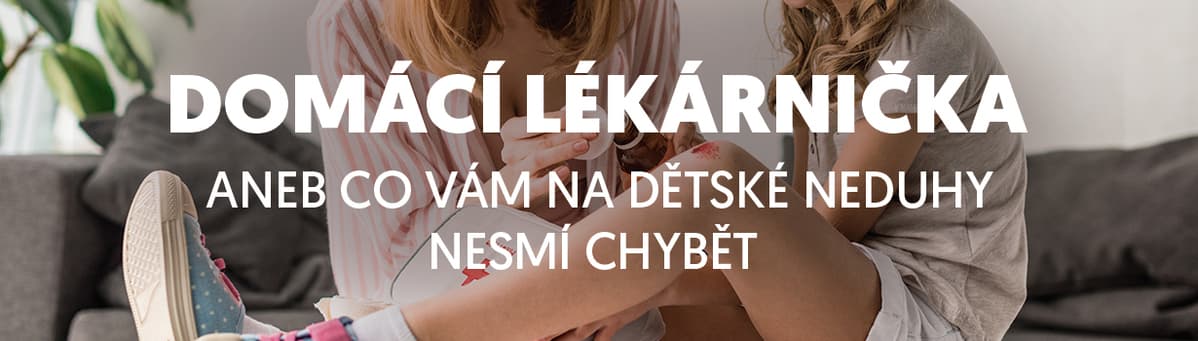
Lékárničku pro děti řeší nejen stávající, ale i budoucí maminky. A protože v internetových diskuzích se to samozvanými odborníky jenom hemží, často rodiče zbytečně nakoupí různé pomůcky a léky, které později ani nevyužijí. Proto pro vás pediatrička Tereza Sochorcová připravila tohoto lékárničkového pomocníka, který vám poradí, co by vám doma na dětské neduhy nemělo chybět.
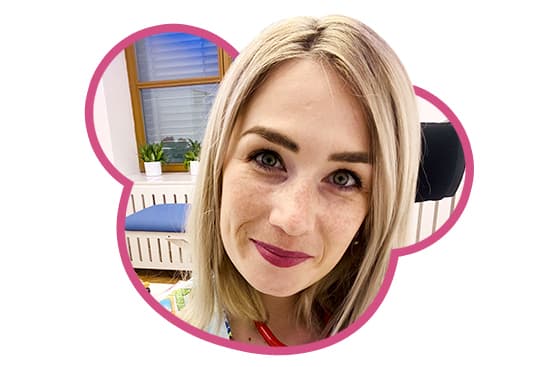
Tereza je máma na plný úvazek, dětská lékařka a autorka blogu www.lecimdeti.cz, která miluje svoji práci a svého ročního syna Alberta. A jak sama říká, když se stala maminkou, tak se její pohled na některé lékařské „poučky“ docela změnil. Můžete se proto těšit na rady a tipy, které jsou vyzkoušené v praxi, ale jsou v pořádku i z lékařského hlediska. Vyznává zdravý životní styl a studuje funkční medicínu a výživu. Než odešla na mateřskou, působila na Dětském oddělení v Uherskohradišťské nemocnici. Kontaktovat ji můžete také na jejím Instagramu @lecimdeti.

Co je nezbytné mít doma v lékárničce
Jak se říká, méně je někdy více. Proto ze začátku doporučuji vybavit lékárničku jen základem. Přece jenom v dnešní době jsou lékárny otevřené denně, takže není problém cokoli dokoupit. Musíme si také uvědomit, že léky mají určitou trvanlivost, která ve většině případů není příliš dlouhá a léčiva jsou poté méně účinná nebo se jejich použití stává rizikovým.
Musíme také myslet na to, že dítě není malý dospělý a je nutné pro něj pořídit speciální léky, které nebudou pro jeho věk a váhu svou dávkou a účinnou látkou nebezpečné. Metabolické a detoxikační mechanismy dítěte totiž probíhají odlišně než u dospělého.
Snažila jsem se tedy sestavit co nejkratší seznam léků a pomůcek, které můžeme použít jak doma, tak i třeba na cestách. Já osobně mám veškerou lékárničku pro svého syna umístěnou v jedné malé taštičce, kterou potom mohu velmi jednoduše sbalit do cestovního zavazadla a nemusím dále přemýšlet, zda máme sbaleno vše potřebné. V této lékárničce mám i vitamíny D, který syn užívá na denní bázi (tak jak by mělo dítě do 1 roku užívat 500 iU denně, já dávám i v zimních měsících, když je starší).
Pokud byste si některým lékem či jeho dávkováním nebyli stoprocentně jisti, určitě vždy doporučuji konzultovat jeho použití s lékařem. Pokud není praktický lékař vašeho dítěte k dispozici, můžete vždy využít online poradny na internetu (ty opravdu specializované) či zavolat na dětské oddělení nemocnice.

Bez čeho se neobejdete
Náplasti, sterilní krytí, obinadlo, nůžky, pinzetu či speciální kleštičky na vytažení klíštěte či třísky, jsou velmi praktické.
Teploměr, ruční odsávačka na nos, lahvička dezinfekčního gelu na ruce, krém s ochranným SPF faktorem - nezapomínejte, že děti do 6 měsíců by neměly být vystavené přímému sluníčku – ideální je pobyt ve stínu či kočárku, poté volte krémy pro miminka s minerálními filtry bez nanočástic.