
Preserving Ingredients

Fruits and vegetables taste best in season, when they have the highest natural sugar content. However, eating strawberries or plums for a month straight can inevitably become tiresome for any of us. That's why in the kitchen we use preservation methods that help retain the excellent taste of fresh produce for later. And because such processing of ingredients takes a lot of time and energy, it's truly worth using only for produce that is high quality. Even the best method cannot conjure up a good meal from poor-quality produce. Let's take a look at their overview.
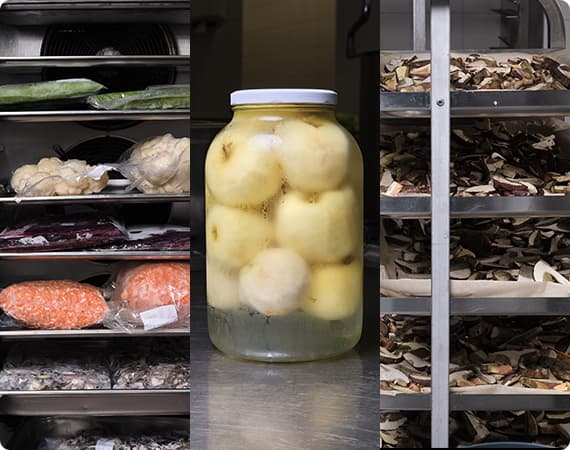
White Circus and Rohlík against waste
Just like White Circus catering, we at Rohlík love quality seasonal foods and are against waste. Therefore, when we had the opportunity to prepare the menu for this year's Global Goals Summit, sustainability was a clear choice. For several weeks, we have been bringing unsold fruits and vegetables to White Circus, and the masters of preservation extend the life of these foods through drying and freezing. So try their tricks too and enjoy seasonal foods even out of season.

Drying
Drying and roasting (which we'll discuss shortly) are techniques that best concentrate the flavor of the given ingredient. However, this happens at the expense of its volume. Therefore, drying is used especially in kitchens where quality, not quantity, is emphasized.
We dry to two levels. Medium-dried produce such as tomatoes or peppers are suitable for subsequent preservation in oil, which they easily absorb. The second level of drying we call 'completely dry'. This is especially suitable for preparing spices. In addition to classic spices, this also includes the production of various powders from raspberries, peppers, which are suitable for flavoring dishes. For the mentioned peppers, we use their skin for drying, as it contains the most flavor. However, we monitor even more carefully that the peppers are treated with as few chemicals as possible during cultivation.
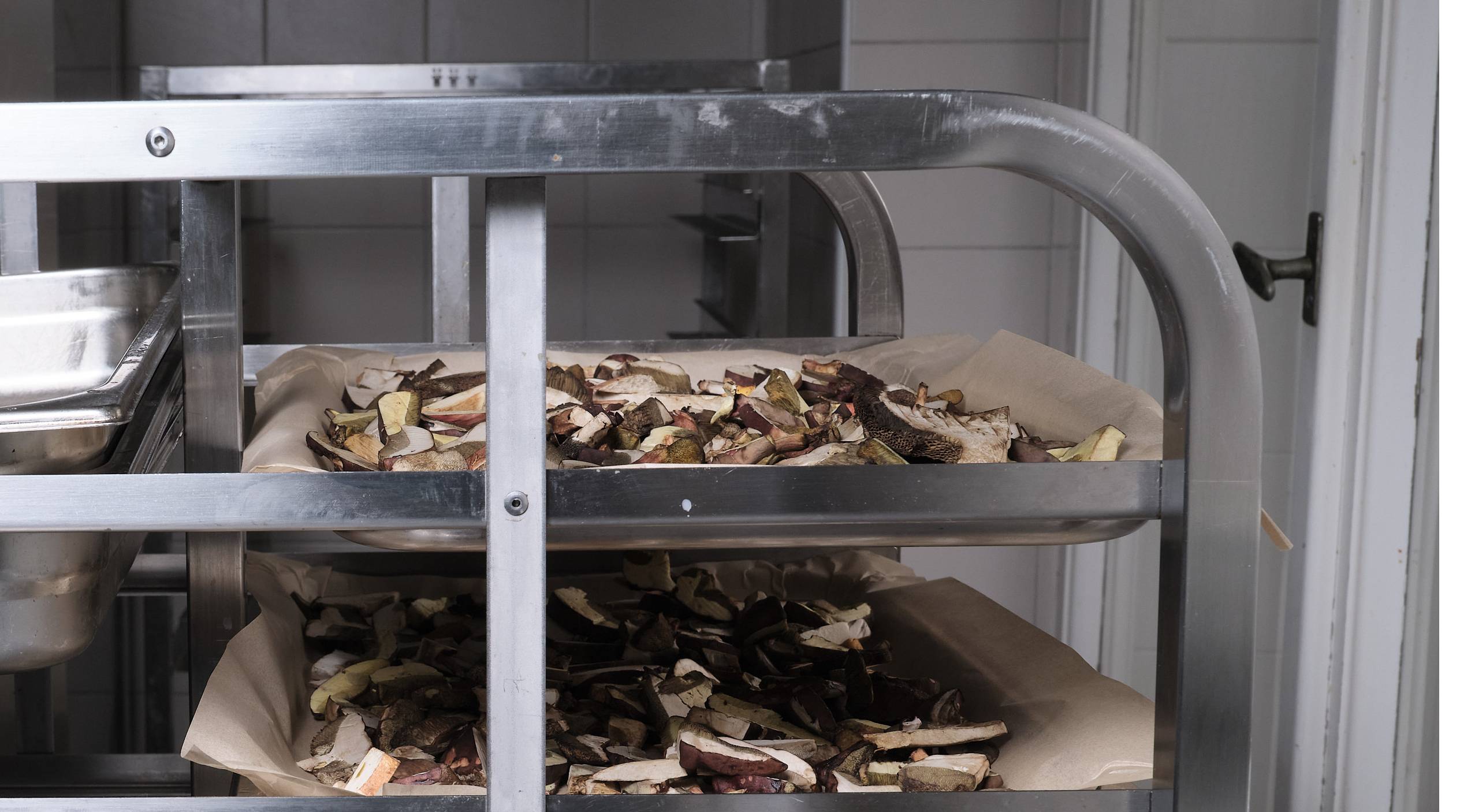
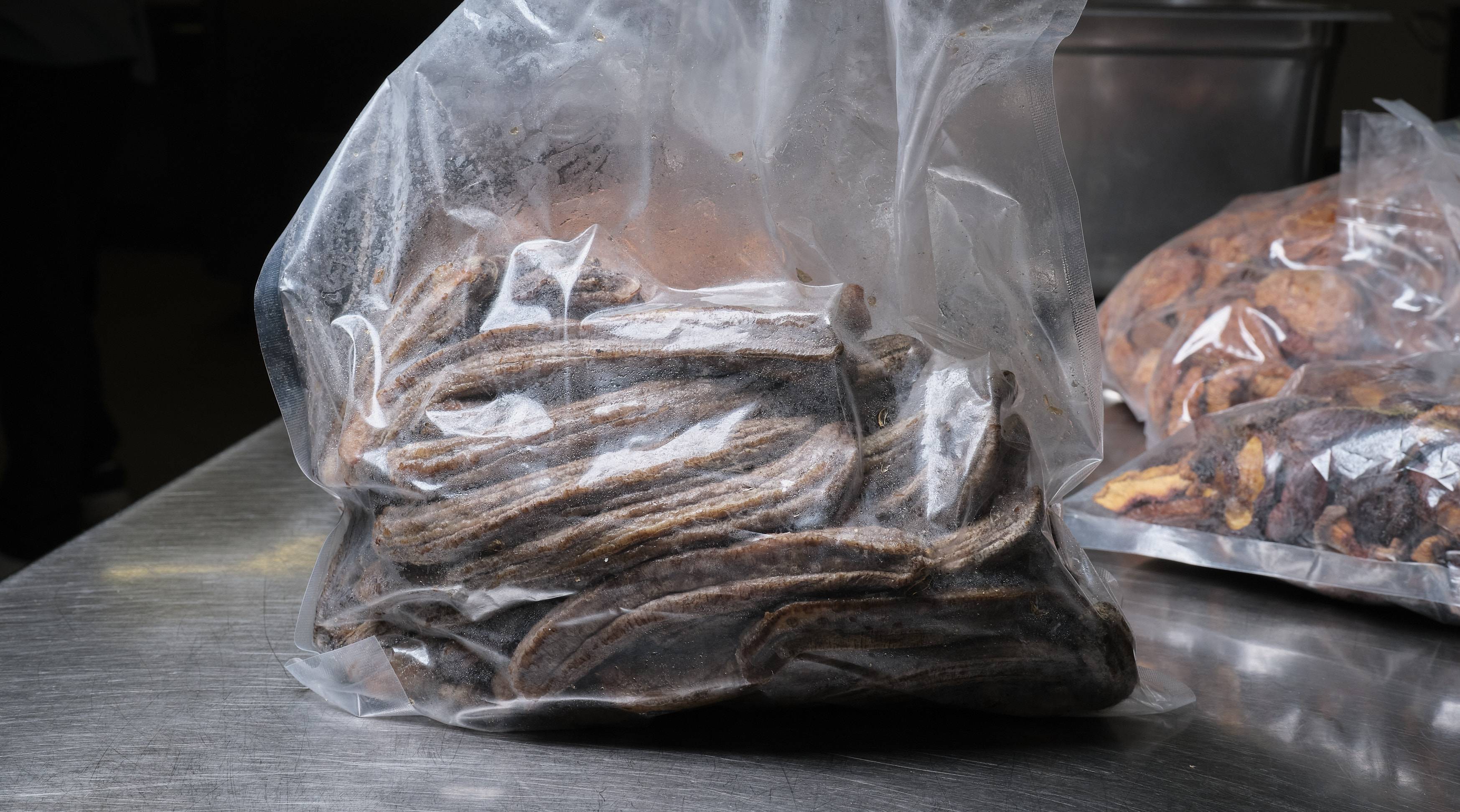
How does drying work? We halve the fruits and remove any pits or cores. We then dry them overnight in electric dryers or a professional combi oven. As you can see, preparation is easy, but demanding in terms of electricity consumption.
