They say: fame is fleeting, but this time we can sing: hooray, home-grown chives! Congratulations, you did everything perfectly and finally know which herb you have the honor of growing. But the work doesn't end here. To ensure the plant thrives, it needs a bit more love and care:
We Illuminate
Seedlings now need a lot of light in addition to water. They can convert the energy of sunlight into their own energy. Yes, the whole process, which no one wanted to be quizzed on in school, is called photosynthesis. To help the seedlings catch as many rays as possible, place them preferably by a south, southeast, or west window. The ideal solution is to place a white board or aluminum foil opposite the window so that the outdoor light is reflected and the plants are illuminated from all sides, not just from the window. High-tech gardeners also use LEDs. Young chives do not like rapid temperature fluctuations, so when you ventilate in the morning, it is better to cover them or take them down.
Pricking out
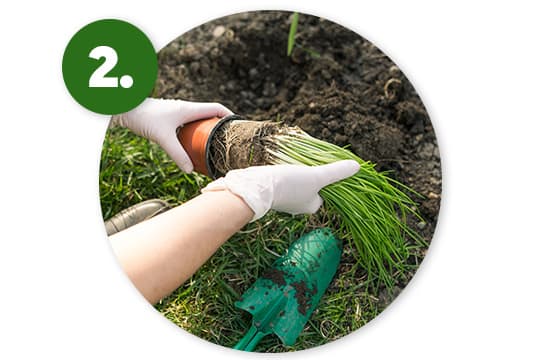
In gardening terms, pricking out means transplanting. If you are growing chives at home and they have enough space in their original pots, you don't need to transplant them. Just be careful, there should be a hole at the bottom of the containers for excess water to drain out. Therefore, trays will also be useful. However, if you plan to move them outside to a garden bed, you can do so as soon as it warms up a bit outside, roughly in April. It's better to acclimatize the plant: first, take the pot outside for a few hours several times. With chives, you don't have to worry about low temperatures, as they are frost-resistant.

Harvesting
We start regularly harvesting the chives when they reach a height of about 12 cm. Then trim them regularly to prevent them from flowering quickly (ideally with scissors, always about 3 cm above the ground). Chive clumps can last in one place for several years. Before winter, just trim them to two centimeters.
More about chives
Known by its full name as chives, it is related to garlic. It is perennial and very resilient, growing in the wild in Europe, Asia, North America, and even Siberia. Among the most well-known varieties are Prague and Bohemia.
Usage in the kitchen
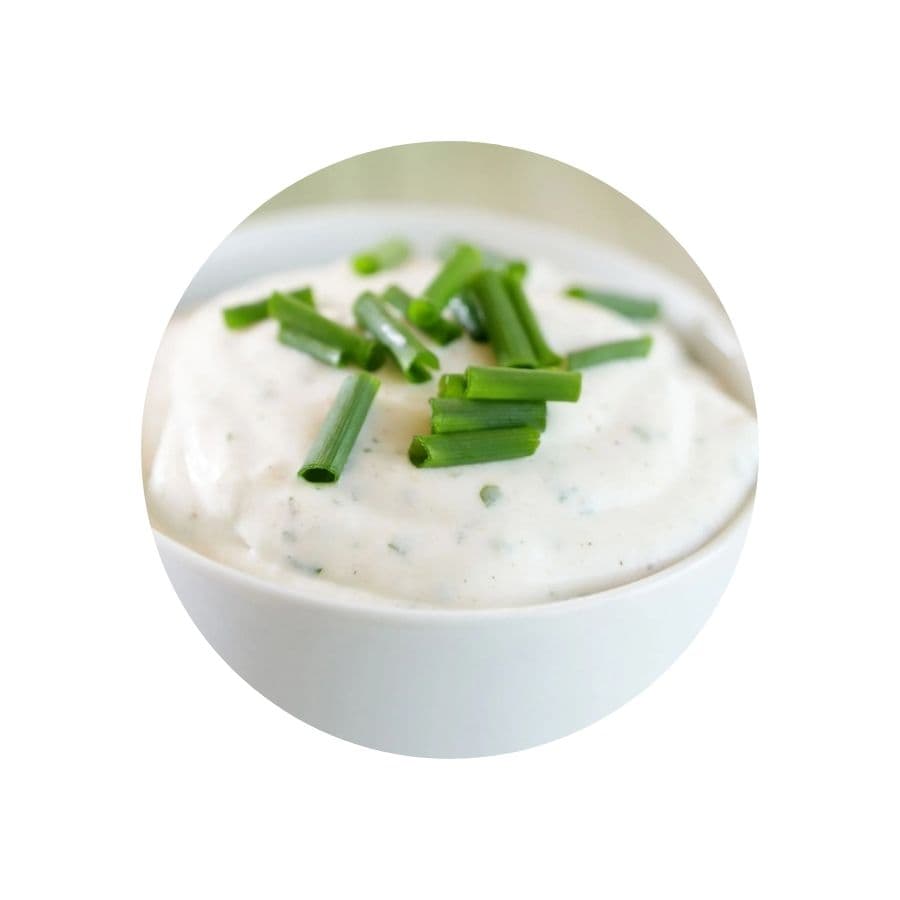
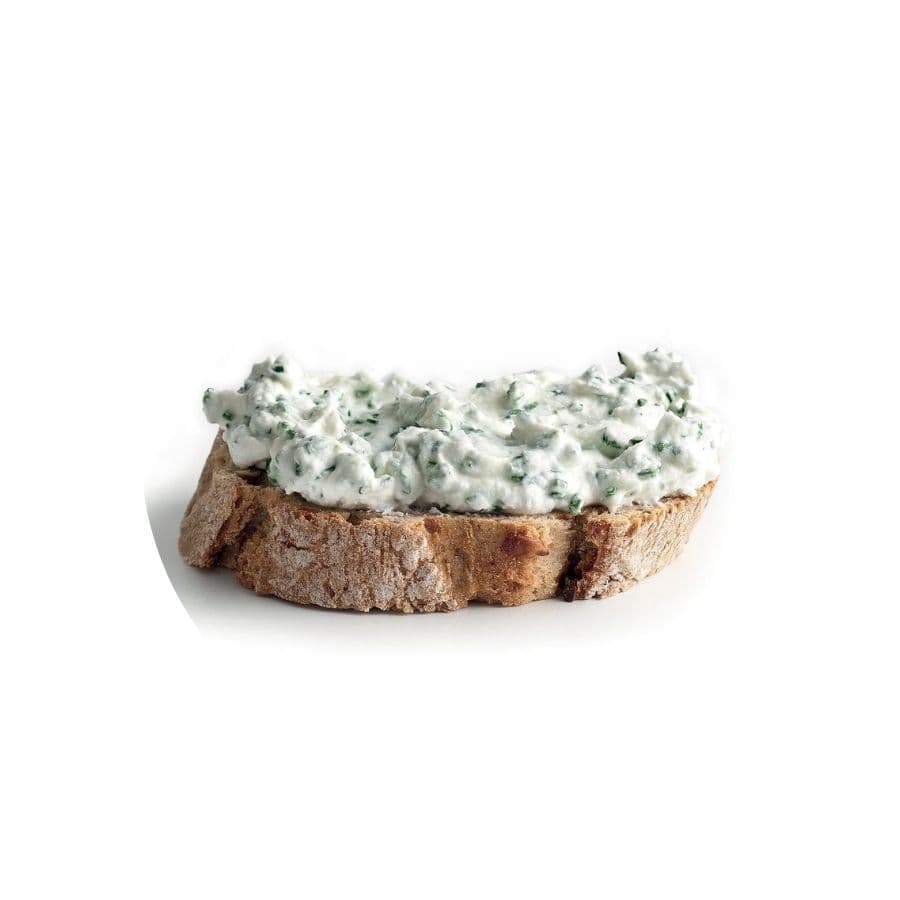
Chives are very aromatic and can be used to flavor salads, side dishes, spreads, sauces, soups, meats, or cheeses. Or simply sprinkle it on bread with butter. It can replace salt in terms of taste.



Medicinal Herb
Chives contain a lot of vitamins, calcium, potassium, and fiber. They aid the digestive tract, stimulate appetite, strengthen immunity, and help maintain proper blood pressure levels. Like garlic or onions, they have antibacterial, antiviral, and antifungal effects.
Interesting Facts