
IT'S MINT!

They say: fame is fleeting, but this time we can sing: hooray, homegrown mint! Congratulations, you did everything perfectly and finally know which herb you have the honor of growing. But the work doesn't end here. To ensure the plant thrives, it needs a bit more love and care:
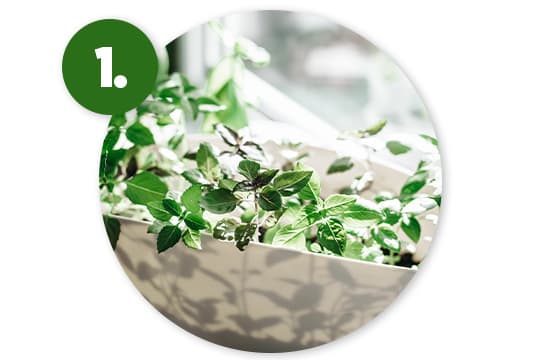
We Illuminate
Seedlings now need not only water but also light, though not too intense. Ideally, place them by a west-facing window. Plants can convert the energy of sunlight into their own energy, and yes, the whole process, which no one wanted to be quizzed on in school, is called photosynthesis. To help the seedlings catch rays from all sides, it's good to place a white board or aluminum foil opposite the window so that outdoor light reflects off it. In very dark living spaces, you can use LEDs to help.
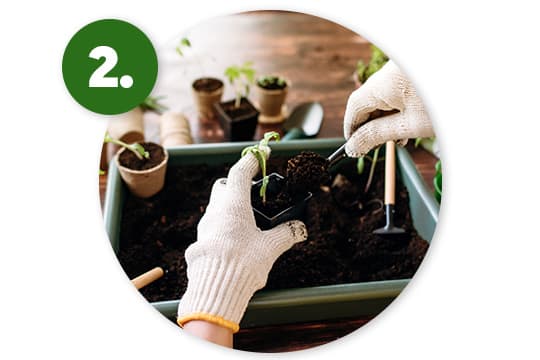
Pricking out
In gardening terms, pricking out means transplanting. Mint needs a lot of space to grow, so about 14 days after the first seedlings have sprouted, carefully separate them (be careful with the roots, which may be intertwined) and transplant them one by one into larger pots or containers. Note that there should be a hole at the bottom of the containers to allow excess water to drain. Therefore, trays under the containers will also be useful.
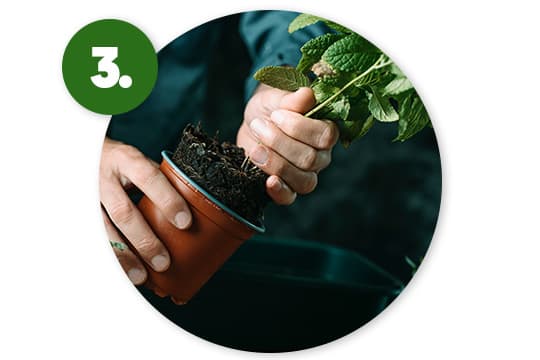
Transplanting for the last time
You can repeat transplanting once more if the herbs again have little space. And if you plan to plant herbs in the garden or on the balcony, don't do it before the "ice men" in mid-May. As the name suggests, your herbs could freeze, and that would be their end.
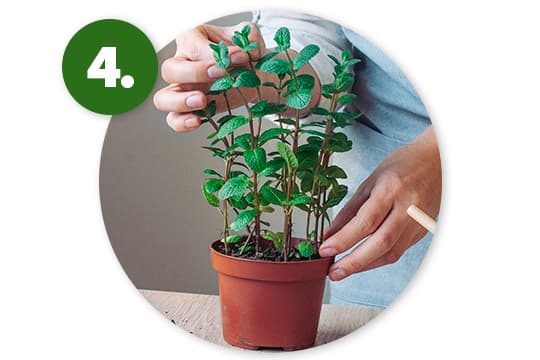
Harvesting
You can pick the leaves throughout the summer. The stems should be trimmed just before the June bloom, preferably at noon when they contain the most essential oils. Any flowers that appear later should also be cut off. Mint is a perennial. However, in winter, it needs to be moved to a cooler, bright room and watered less.
And now it's time to really show off. Take a photo of your beauty and add #mojemata. We are all curious about it too!
More about mint
Mint is an aromatic herb from the Lamiaceae family, so its relatives include basil, sage, and thyme. It is one of the oldest medicinal herbs and can be found on all continents in temperate zones. The entire stem is infused with essential oils, mainly menthol.
Usage in the kitchen
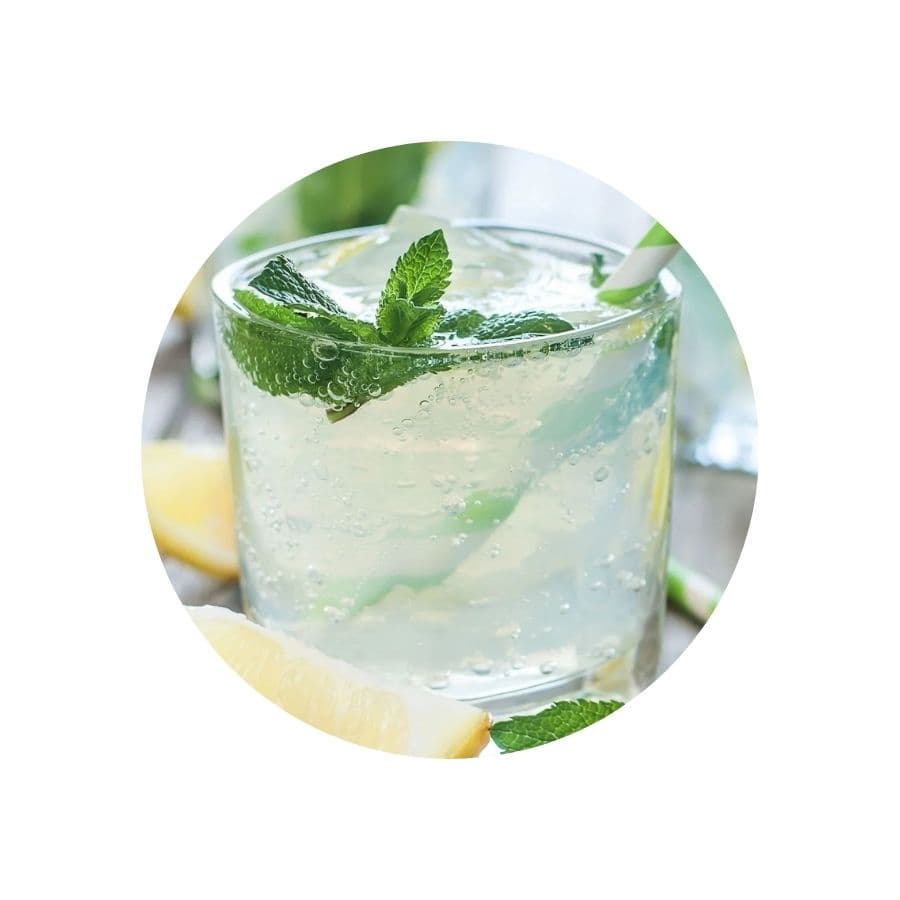
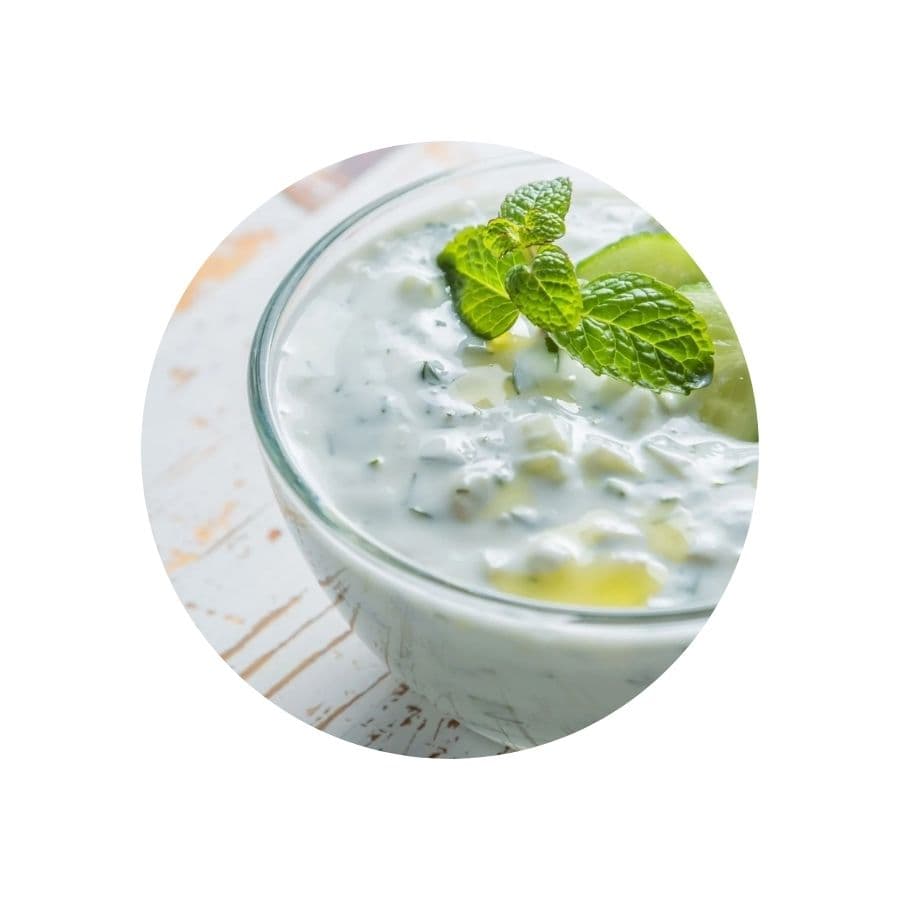
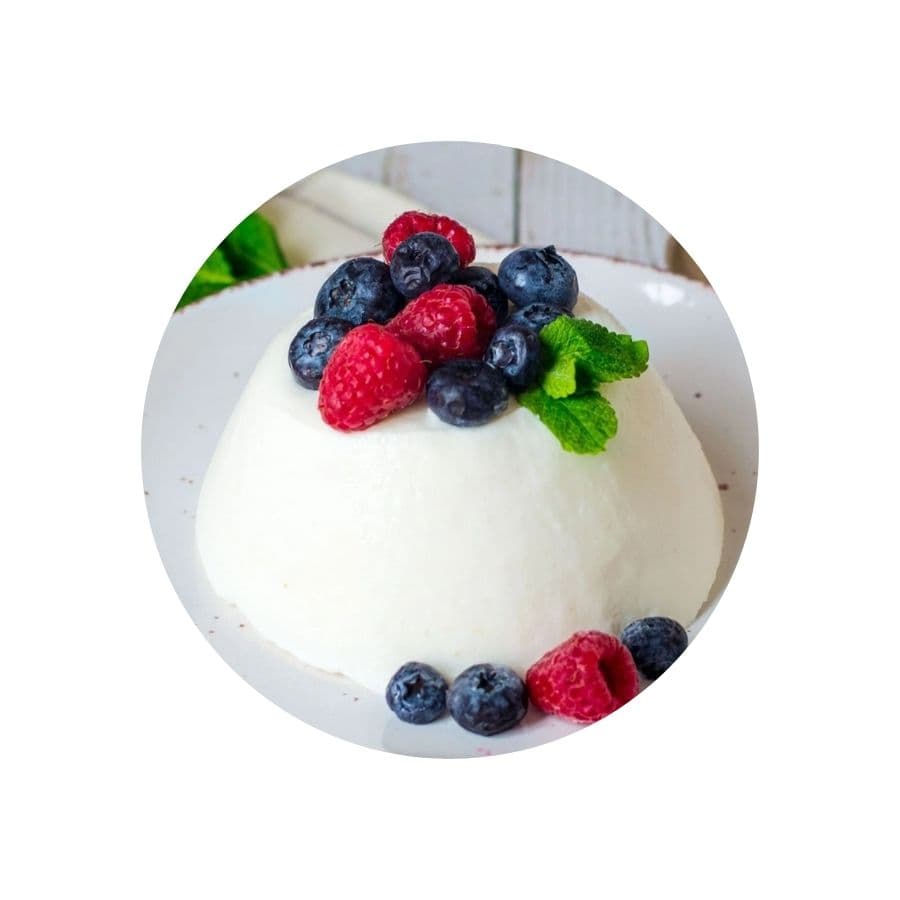
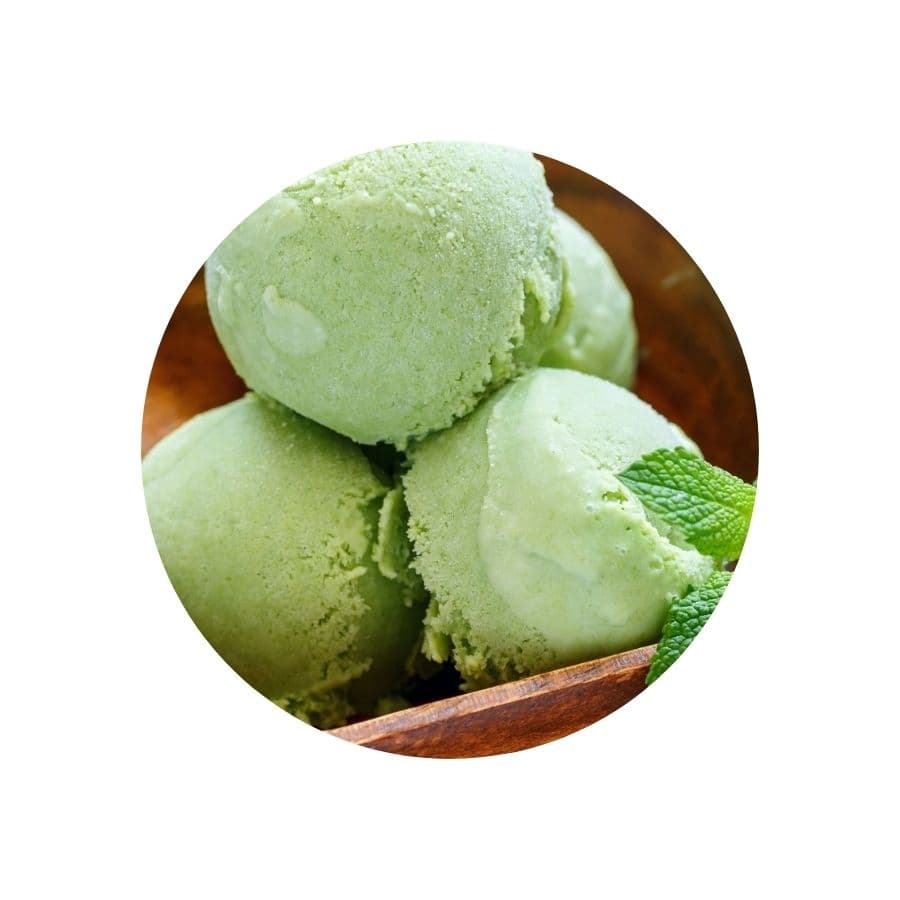
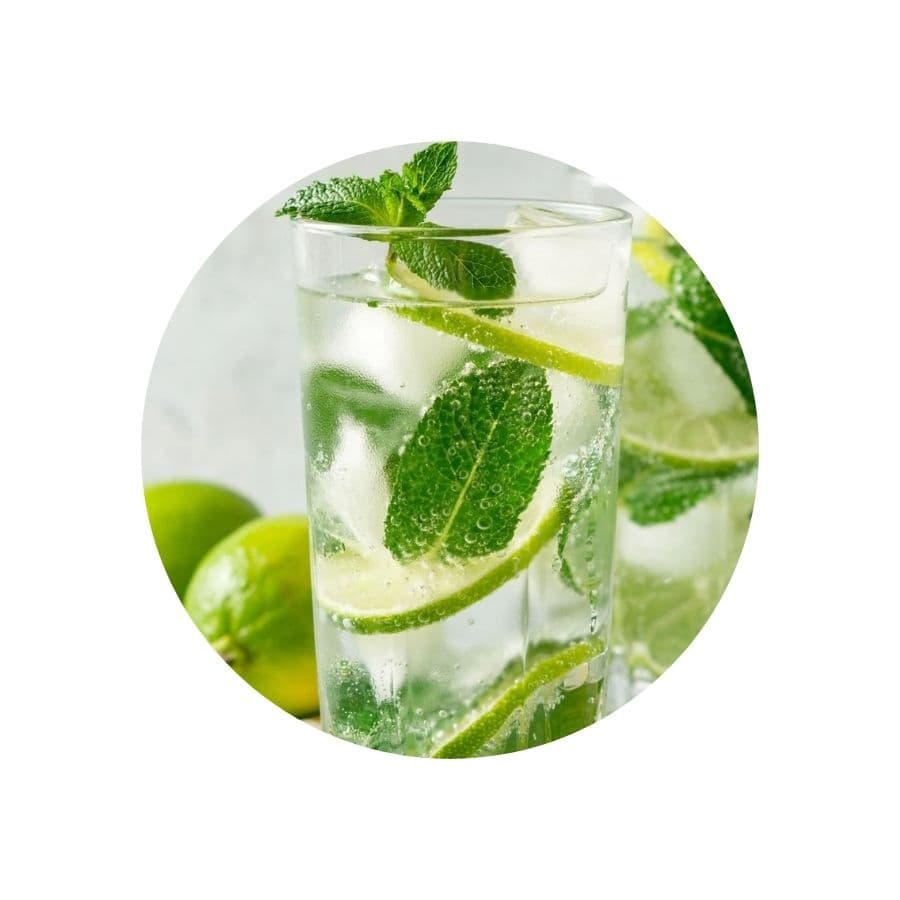
Mint leaves are most commonly used to flavor salads, sauces, marinades, desserts, drinks, and jellies. Without it, there would be no Cuban Mojito and, of course, mint hot and iced tea.
If you want to dry the leaves, the temperature must not exceed 35 degrees Celsius. Then it is good to store them in an airtight container to prevent them from getting damp and losing their aroma.
Medicinal Herb
Mint serves as an entire pharmacy. It is used to treat rheumatism, gallstones, aids digestion, helps with nerve pain, nausea, and diarrhea. It reduces cramps, acts anti-inflammatory, and relieves bloating. Inhaling mint clears the airways. It also works against insomnia, stress, and headaches. Unfortunately for pregnant women, they should rather avoid it. Common mint was previously used to induce abortion.
Interesting Facts
