JE TO BAZALKA!

Říká se: sláva, polní tráva, ale tentokrát můžeme zapět: sláva, domácí bazalka! Gratulujeme, všechno jste zvládli na jedničku a konečně víte, s jakou bylinkou máte tu čest. Tím ale práce pořád nekončí. Aby se rostlince dobře dařilo, je potřeba jí věnovat ještě trochu lásky a péče:
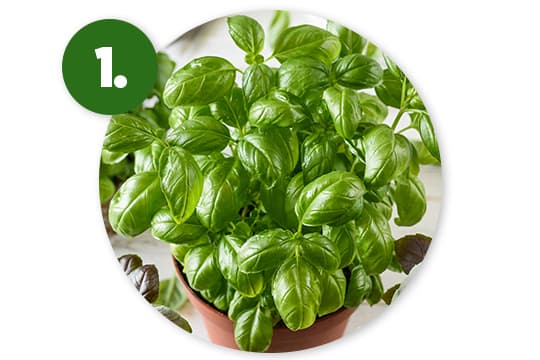
Svítíme
Sazeničky teď kromě vody potřebují i hodně světla. Energii slunečního záření totiž dovedou přeměnit na energii vlastní. Ano, celému ději, ze kterého ve škole nikdo nechtěl být vytasený, se říká fotosyntéza. Abyste sazeničkám pomohli nachytat co nejvíce paprsků, dejte je nejlépe k západnímu nebo východnímu oknu. A úplně ideální řešení je postavit naproti oknu ještě bílou desku nebo alobal tak, aby se od něj odráželo venkovní světlo a rostlinky byly osvícené ze všech stran, nejen od okna. High-tech zahradníci si pomáhají i LEDkami. Bazalka vyžaduje aspoň 5 hodin slunečního svitu denně.
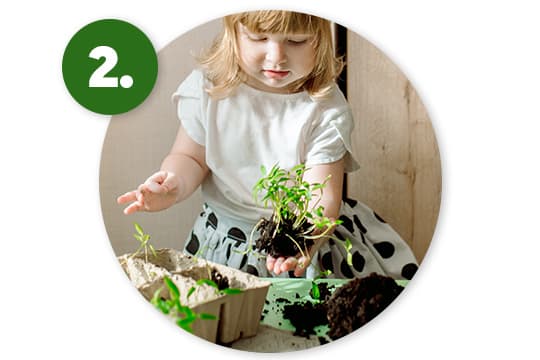
Pikýrujeme
Pikýrování v zahradnické mluvě znamená přesazování. Asi 14 dní po vyklíčení prvních sazeniček je opatrně oddělte od sebe (vytahujte je opatrně za lístky a pozor při tom na kořínky, které mohou být propletené) a po jedné je přesaďte do větších květináčů nebo truhlíků, kde bude mít každá více prostoru. Pozor, na spodku nádob by měla být díra, aby odtékala přebytečná voda. Budou se tedy hodit i misky pod nádoby.
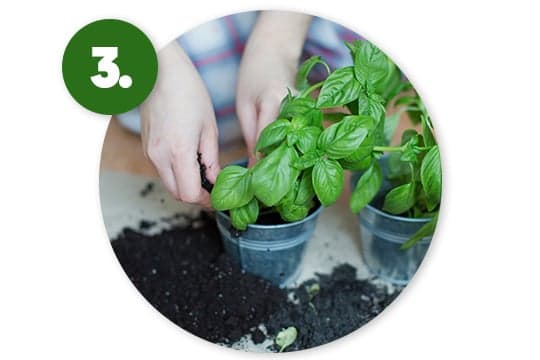
Naposledy přesazujeme
Pikýrování můžete ještě jednou zopakovat, když mají bylinky cca 10 cm. Mělo by se jim pak dařit ještě o trochu líp. Tento krok není nezbytně nutný, záleží, do jak velkých nádob jste sazeničky poprvé přesazovali. A jestli máte za lubem vysázet bylinky na zahrádku nebo na balkón, nedělejte to dřív než po “zmrzlých mužích” v půlce května. Jak už název napovídá, zmrznout by mohly i vaše bylinky a to by byl jejich konec.
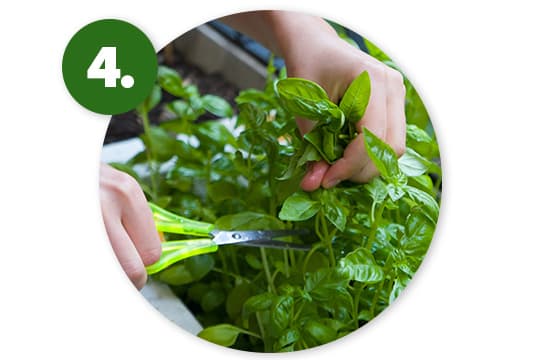
Sklízíme
Lístky a vrcholky výhonků můžeme otrhávat a zaštipovat během celého růstu, bazalka tak začne více košatět. Nejsilnější aroma má až před kvetením a ve chvíli, kdy uvidíte první bílé květy, je dobré lístky obrat všechny. To bude někdy v červnu. Ale to není konec, bazalku seřízněte a v září vás čeká druhá úroda.
A teď je taky čas se pořádně pochlubit. Vyfoťte vaši krásku a přidejte #mojebazalka. My všichni jsme na ni totiž taky zvědaví!
Více o bazalce
Bazalka pravá pochází z Indie, kde se ji považují za posvátnou bylinku a pěstují už více než 5000 let. Patří do čeledi hluchavkovitých, takže mezi její sestřenice patří třeba i máta, šalvěj nebo mateřídouška. Lze ji množit i řízkováním nekvetoucích postranních výhonů.
Použití v kuchyni
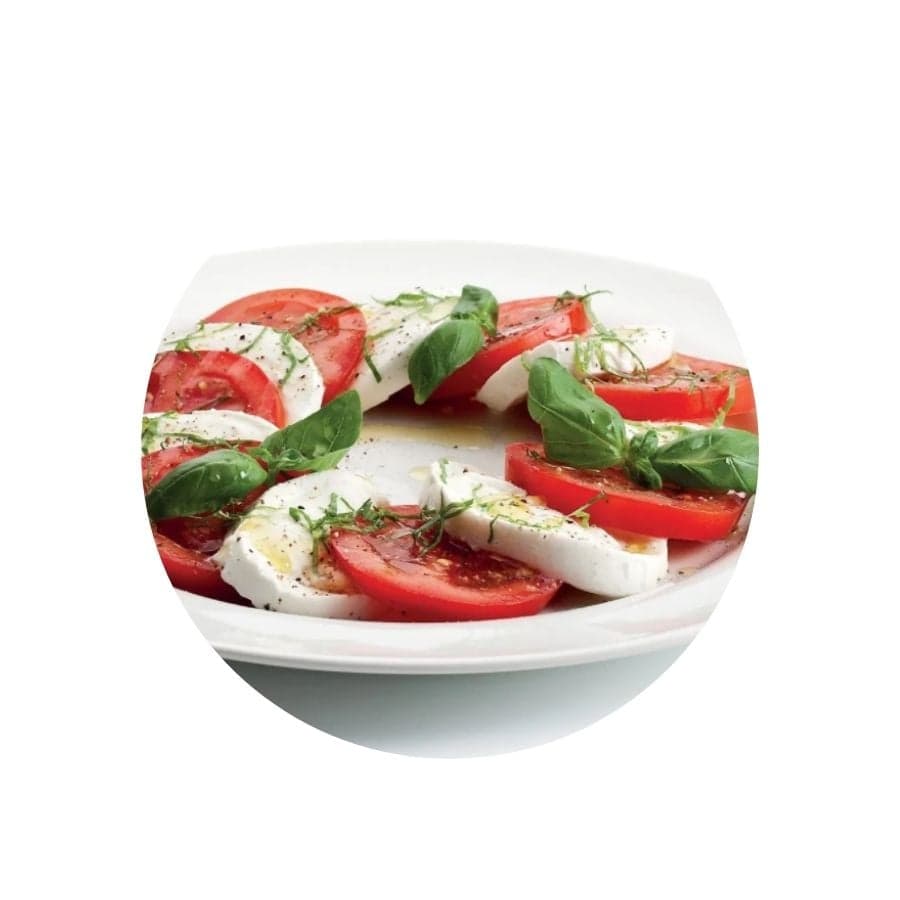
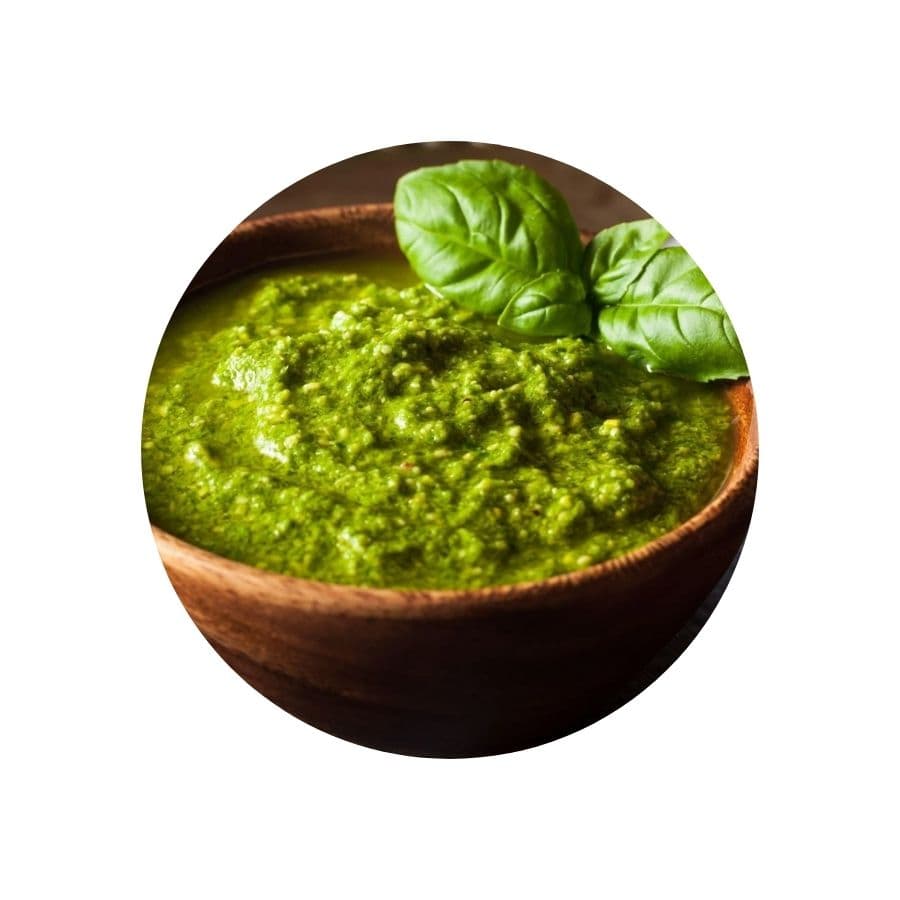
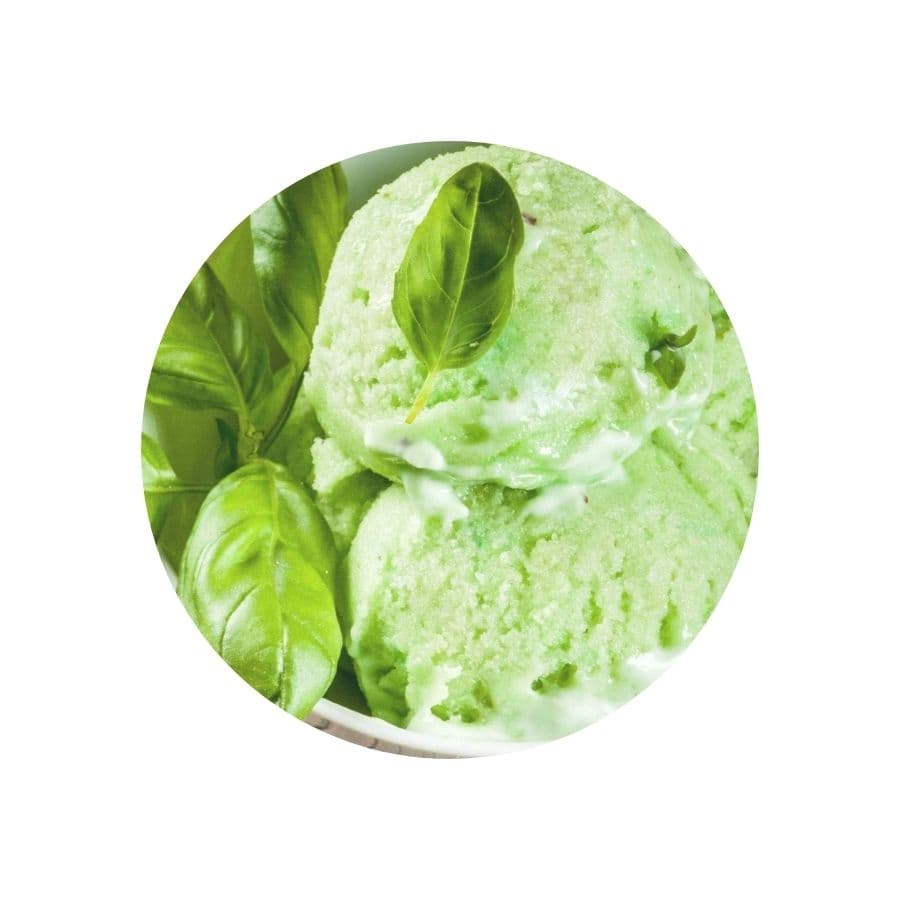
Čerstvé nebo sušené listy se používají jako univerzální koření. Můžete z ní připravit italské pesto a hodí se do pokrmů jako těstoviny, polévky, luštěniny, ke všem druhům masa, salátů.

Léčivka
Bazalka je vysoce univerzální a léčivá bylinka: pomáhá při nespavosti a migréně, tlumí křečové bolesti, zlepšuje trávení, harmonizuje peristaltika, působí proti nadýmání, protizánětlivě i mírně antibioticky.
Zajímavosti